
When searching for ways to help a loved one with cognitive decline stay independent yet financially safe, consider a prepaid debit card. They allow you to manage spending while also giving the older adult freedom to shop within their means.


When searching for ways to help a loved one with cognitive decline stay independent yet financially safe, consider a prepaid debit card. They allow you to manage spending while also giving the older adult freedom to shop within their means.

When your parent loses their spouse, both of you are navigating an unfamiliar emotional landscape. Offering a listening ear, supporting new routines, and gently encouraging social connection can help ease the transition. And as you help your parent through their grief, remember to take care of your own feelings too.

June is Cataract Awareness Month. Cataract is one of the most common visual impairments and can cause progressive vision loss in older adults. Luckily, the surgery to treat it is very safe and effective. Still, a little prep goes a long way in ensuring comfort and success for your loved one.

June is Aphasia Awareness Month. Communication is a basic human need—but for those living with aphasia, finding the right words can be a daily challenge. When a stroke or brain injury creates problems with language, you have to get creative about ways to communicate: try gestures, drawings, even apps that can help with speech exercises.

Even in the later stages of dementia, music can bridge barriers and provide opportunities for joy and connection.

If your loved one needs full-time care and supervision, they may need to relocate to a nursing home. But how do you decide which one is the best fit?

Searching for a heartfelt way to honor someone after they’ve passed? Consider a celebration of life. These events leave a lot of room for creativity and can help honor your loved one’s legacy in a deeply personal and positive way.

Prediabetes is more common than you might think, especially in older adults. The good news? Simple lifestyle changes, such as healthy eating and exercise, can lower blood sugar and reduce the risk of developing diabetes.
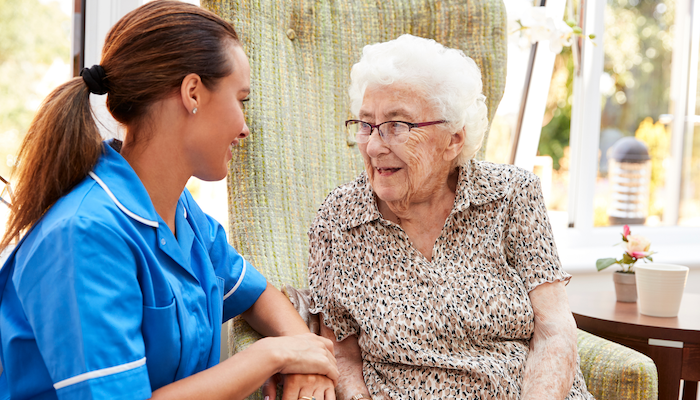
If dementia is making it hard for a loved one to live independently, memory care can provide the specialized support they need. These facilities offer a safe and comfortable environment with extra staff, simplified building layouts, and activities that promote engagement.

Does caring for a loved one leave you feeling overwhelmed sometimes? Certain breathing patterns can calm your mind, reduce anxiety, and boost your well-being—anywhere, anytime. If you’re feeling stressed and need a moment to reset, try a simple technique such as box breathing.
© 2002-2025, [Your Home Care Business]. Site created by Elder Pages Online, LLC.